 ogaov
ogaov
Related Articles



Teaching children to pack their own school bag is a simple habit that can make everyday family life much easier. At first, many parents feel that packing a school bag is faster when they do it themselves. I understand that feeling because children can take a long time to find a pencil, forget their notebook, or put unnecessary things inside the bag.
However, when children learn how to pack their own school bag, they slowly become more responsible and organized. They also learn an important life skill that can help them at school and at home.
The good thing is that children do not need to learn everything in one day. With a little guidance, a simple routine, and some patience, they can learn to check their school supplies and prepare their school bag without constant reminders.
In this guide, I will explain practical ways to teach children to pack their own school bag and develop a useful daily routine.
Why Children Should Learn to Pack Their Own School Bag
Packing a school bag may look like a small task, but it teaches several important skills. When a child prepares their own bag, they have to think about what they need for the next school day.
They may need books, notebooks, pencils, homework, lunch, a water bottle, or special items for a particular class. Remembering these things helps children develop planning and responsibility.
It also gives children a sense of independence. Instead of waiting for a parent to prepare everything, they begin to understand that some daily responsibilities belong to them.
Another benefit is that children become more aware of their schoolwork. When they check their notebooks and homework before packing, they are more likely to notice unfinished work.
Parents can still help when necessary, but the goal should be to gradually move the responsibility from the parent to the child.
Start With a Simple School Bag Checklist
One of the easiest ways to teach children how to pack their school bag is to create a simple checklist.
Young children may forget what they need, so expecting them to remember everything immediately can make the process frustrating. A checklist gives them something they can follow independently.
The checklist can include simple items such as:
School books
Notebooks
Homework
Pencil case
Water bottle
Lunch box
School diary
Special class materials
The exact list will depend on the child’s school routine.
For younger children, you can place the checklist near their study area. Pictures can also be helpful. For example, you can use a picture of a book beside the word “book” and a picture of a water bottle beside “water bottle.”
As children become older, they can gradually stop using the checklist when they become confident with the routine.
Teach One Step at a Time
Children can become overwhelmed when parents give them many instructions at once. Instead of saying, “Pack your whole school bag,” break the task into small steps.
You might start by saying, “First, bring your school timetable.”
Then ask the child to check what books are needed.
After that, they can collect their notebooks.
Next, they can check their homework.
Finally, they can add their lunch box and water bottle.
This approach makes school bag organization easier for children.
Once they understand the steps, you can slowly reduce your instructions. The aim is not to keep telling them what to do every evening. The aim is to help them learn the process so they can eventually do it themselves.
Use the School Timetable
A school timetable can become one of the most useful tools for teaching children to pack their own school bag.
Show your child how to look at the timetable and identify the subjects for the next day. If mathematics is scheduled tomorrow, the child can find the mathematics book and notebook.
If there is an art class, the child can check whether special supplies are required.
This teaches children to prepare based on their actual needs instead of putting every book into their school bag.
It can also make the bag lighter. Carrying unnecessary books every day can make a school bag heavy and uncomfortable.
Teaching children to use their timetable also develops planning skills that can be useful later in life.
Create a Regular Packing Time
A consistent routine can make school bag packing much easier.
Choose a time when your child usually has enough energy and is not rushing to bed. For many families, packing the school bag after homework and before relaxing for the evening works well.
The important thing is consistency.
If your child packs the bag at the same time each school day, the activity can gradually become a habit.
You can create a simple evening routine such as:
Finish homework.
Check tomorrow’s timetable.
Pack books and notebooks.
Check the pencil case.
Pack homework.
Prepare the lunch box and water bottle.
Put the school bag in its usual place.
After several weeks, your child may begin following this routine without being reminded.
Give Children a Proper Place for School Supplies
Children often struggle to pack their school bag because their supplies are scattered around the house.
A pencil may be on the dining table, a notebook may be in the bedroom, and a school book may still be inside the bag.
Having a specific place for school supplies makes the process easier.
You can create a small study area where children keep their books, notebooks, pencils, and other school materials.
The area does not need to be expensive or complicated. A shelf, drawer, or small storage box can be enough.
When everything has a regular place, children learn where to find their things and where to put them back.
This simple organization can save time in the morning.
Teach Children to Check Their Homework
Packing a school bag is not only about putting books inside. Children should also learn to check whether their homework is complete.
Before packing, ask simple questions such as:
“Did you finish your homework?”
“Do you need to take this worksheet tomorrow?”
“Is your homework inside your school folder?”
These questions encourage children to think instead of simply following instructions.
Eventually, they can ask themselves these questions without your help.
A child who develops the habit of checking homework before packing the school bag is less likely to forget important work at home.
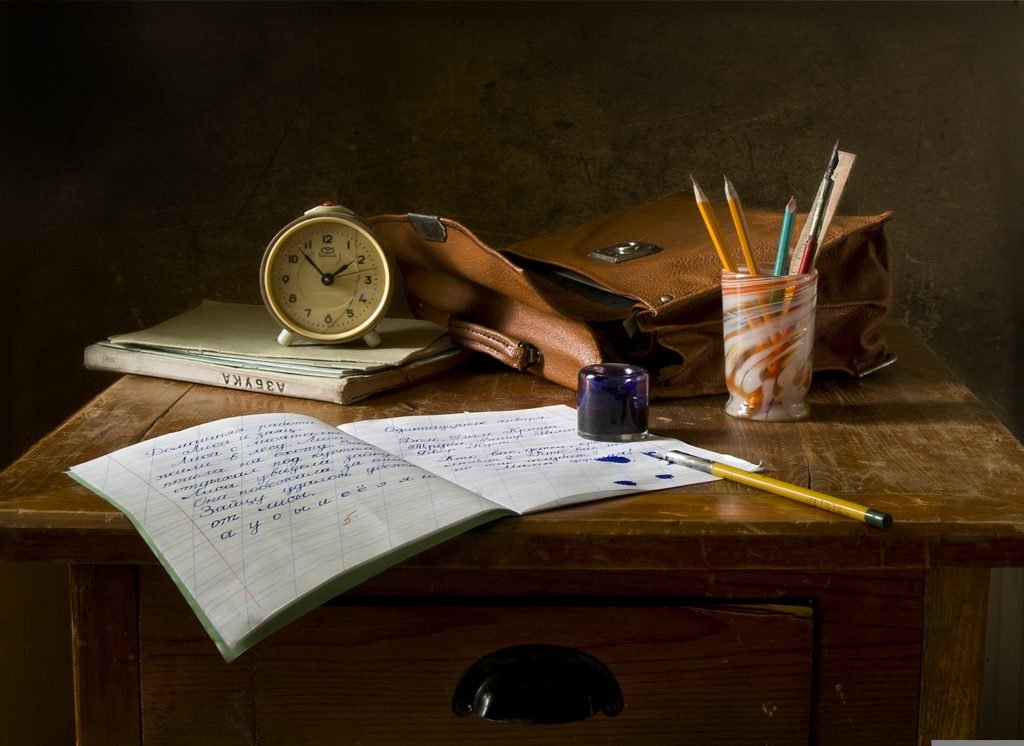
Teach Children How to Organize the Bag
Children should also learn that putting things randomly into a school bag is not the best method.
Show them how to use different sections of the bag.
Books can go into the main compartment.
Small stationery items can stay inside the pencil case.
Homework can go into a folder.
The water bottle can go into the bottle pocket if the bag has one.
The lunch box can have its own safe place.
Keeping things organized makes it easier for children to find what they need during the school day.
It also teaches them that organization is not about making things look perfect. It is about making daily tasks easier.
Avoid Packing the Bag for Your Child
This can be one of the hardest changes for parents.
When a child forgets something, the natural reaction may be to quickly pack the bag for them. Parents often do this because they want to avoid a difficult morning or a forgotten school item.
But if parents always take over, children may never develop the habit themselves.
Instead, try guiding your child with questions.
You can ask, “What does your timetable say for tomorrow?”
“What notebook do you need?”
“Have you checked your homework?”
These questions encourage the child to solve the problem.
Of course, younger children may still need direct help. The goal is not to leave them completely alone. The goal is to provide only the amount of help they need.
Let Children Make Small Mistakes
Learning responsibility also means learning from mistakes.
If your child forgets a notebook once, it can become a useful learning experience. Instead of becoming angry, talk about what happened.
Ask your child what could be done differently next time.
Maybe they packed their bag too quickly.
Maybe they forgot to check the timetable.
Maybe their notebook did not have a proper place.
Finding the reason helps the child improve the routine.
Parents should avoid making every mistake feel like a major failure. Children learn better when they feel safe enough to make small mistakes and correct them.
Make Packing a Fun Challenge
Some children may find school bag packing boring. A little creativity can make the activity more interesting.
You can turn it into a simple challenge.
For example, ask your child how quickly they can complete their checklist while still doing the job correctly.
You can also give praise when they remember everything without help.
For younger children, a simple sticker chart can work well. Each time they pack their school bag independently, they can receive a sticker.
The purpose is not to reward every small responsibility forever. The reward is simply a way to make the new habit enjoyable while it is developing.
Teach Children to Keep Their School Bag Clean
School bag organization is also about cleanliness.
Children often leave old papers, snack wrappers, broken pencils, and unnecessary objects inside their bags.
Choose one day each week for a quick school bag check.
Ask your child to remove anything that does not belong there.
They can throw away unwanted papers, return books to their proper place, and organize their stationery.
This weekly cleaning routine can prevent the bag from becoming messy.
It also teaches children to take care of their belongings.
Choose the Right School Bag
A good school bag can make organization easier.
Children should have a bag that is suitable for their age and school needs. A bag with several compartments can help separate books, stationery, lunch, and other items.
The bag should also be comfortable to carry.
Parents should avoid allowing children to carry unnecessary items. If a toy, extra book, or large collection of stationery is not needed at school, it does not need to stay in the bag.
Teaching children to pack only what they need is an important part of school bag organization.
Teach Children to Prepare for the Next Day
One of the best habits children can learn is preparing the night before.
Morning routines can become stressful when everything is left until the last minute.
A child who packs the school bag before going to bed has fewer things to worry about in the morning.
They can wake up, get dressed, eat breakfast, take their prepared bag, and leave for school.
This can make mornings calmer for the entire family.
The habit may take time to develop, but once it becomes part of the evening routine, children can start doing it naturally.
Use Questions Instead of Repeated Commands
Parents often say things like:
“Pack your bag.”
“Did you pack your bag?”
“Go pack your bag now.”
Repeating the same command every evening can become tiring for both parents and children.
Instead, use questions that encourage independent thinking.
“What do you need for tomorrow?”
“Have you checked the timetable?”
“What is still missing?”
“Where should your homework go?”
These questions help children develop their own decision making skills.
Over time, you can ask fewer questions because your child will know what to check.
Give Age Appropriate Responsibility
Every child develops differently, so the amount of responsibility should match the child’s age and ability.
A young child may need help finding books and reading the timetable.
An older child may be able to check the timetable, complete the checklist, organize the bag, and prepare everything without help.
Parents should increase responsibility gradually.
If a child is struggling with a task, provide guidance. If they are already doing it confidently, give them more independence.
This balanced approach helps children develop confidence without feeling overwhelmed.
Praise Effort and Progress
Positive encouragement can make a big difference.
Instead of focusing only on mistakes, notice improvements.
You might say:
“You remembered your homework today.”
“Your books are nicely organized.”
“You checked the timetable without me asking.”
“You packed everything by yourself.”
Specific praise tells children exactly what they did well.
It also makes them feel capable.
Children are more likely to repeat responsible behavior when they feel that their effort is noticed.
Common Mistakes Parents Should Avoid
There are several common mistakes that can make it harder for children to learn this habit.
The first is doing everything for the child. While this may save time today, it does not teach independence.
The second is expecting perfection immediately. Children need practice before they can manage the entire process alone.
The third is getting angry about every forgotten item. Mistakes are part of learning.
Another mistake is giving too many instructions. Long lists of commands can confuse children.
Finally, avoid changing the routine constantly. Children benefit from simple and predictable systems.
How Long Does It Take for a Child to Learn?
There is no exact number of days because every child is different.
Some children may understand the routine quickly. Others may need several weeks of practice.
The most important thing is repetition.
When children follow the same steps every evening, the process becomes familiar. Eventually, they may begin packing their school bag without thinking about each individual step.
Parents should focus on progress rather than speed.
The goal is to create a lasting habit, not simply to make the child pack one perfect school bag.
A Simple School Bag Packing Routine
If you want a simple routine that your child can follow, try this:
First, check tomorrow’s timetable.
Second, collect the required books.
Third, collect the required notebooks.
Fourth, check homework and worksheets.
Fifth, organize the pencil case.
Sixth, check for special school items.
Seventh, place everything inside the correct section of the bag.
Eighth, prepare the water bottle and lunch for the next day.
Finally, place the school bag in its normal morning location.
Once children become familiar with this routine, they can complete most of it without parental assistance.
Final Thoughts
Teaching children to pack their own school bag is a small step toward raising independent and responsible children. It may seem easier to do the task yourself, especially when you are in a hurry, but giving children responsibility can help them develop useful habits.
Start slowly. Give your child a simple checklist and teach them how to use the school timetable. Create a regular packing time and give every school item a proper place.
Do not expect perfection from the beginning. Children need practice, encouragement, and patience.
Most importantly, allow your child to take ownership of the process. Ask questions instead of giving constant commands. Praise progress and help them learn from small mistakes.
With time, packing a school bag can become a normal part of your child’s daily routine. What begins as a simple household task can teach planning, organization, responsibility, and independence.
These are skills that children can use far beyond the school classroom.